A structural survey in the UK commonly costs between £500 and £1,500. Current 2026 pricing data places the average cost at around £1,000. However, the final price depends heavily on what you actually need.
This is important because the term “structural survey” is often used for two different services. One is a broad RICS Level 3 Home Survey. The other is a focused inspection completed by a structural engineer.
These services answer different questions and have different costs. Choosing the right one can prevent unnecessary expense and help you get useful advice.
Property size, age, condition, location, and report detail can all affect the price. Homes in London and the South East can also attract higher professional fees.
This guide explains structural survey costs, what affects them, and what your fee may include.
What Is the Average Structural Survey Cost in the UK?
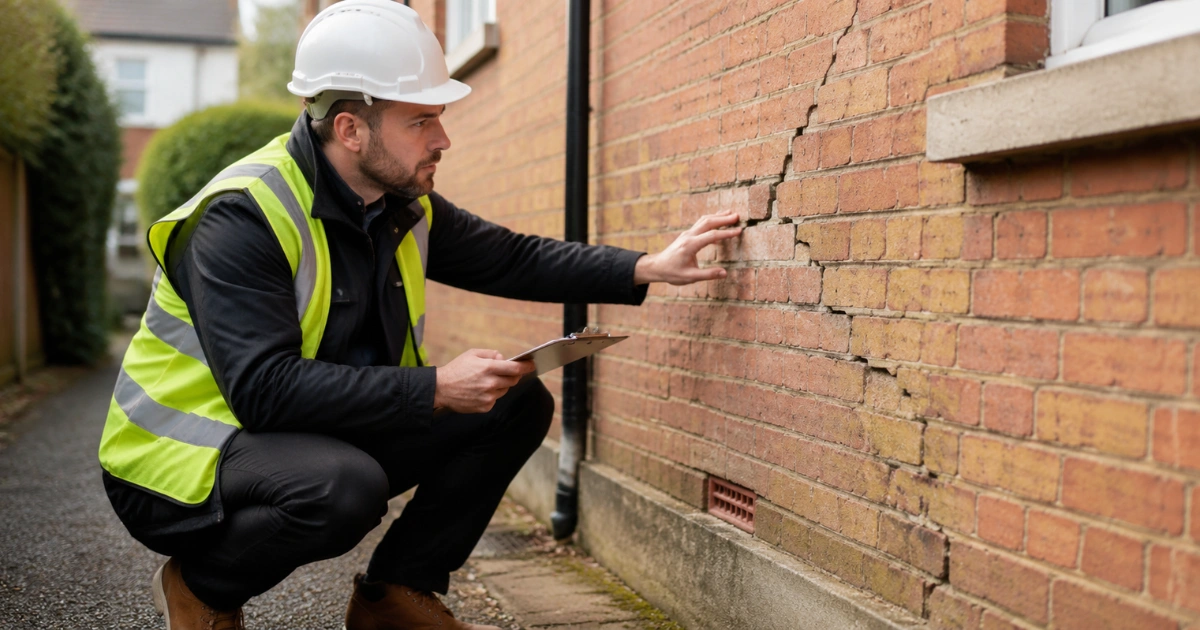
A targeted structural survey carried out by a structural engineer typically costs around £500 to £1,500.
Current UK cost data gives an overall average of approximately £1,000. The actual quote can be lower or higher depending on the problem being investigated.
A simple inspection of one visible concern may cost less. A detailed investigation involving several structural issues can cost considerably more.
For example, checking one area of cracking is different from investigating movement across an entire property.
The cost may also depend on whether you need:
- a site inspection;
- a written structural report;
- a specific defect report;
- further investigation recommendations;
- structural calculations;
- repair or strengthening advice;
- additional visits.
Always check the scope before comparing two quotations.
What Does “Structural Survey” Actually Mean?
This is one of the most important things to understand.
People often use “structural survey” to describe any detailed property survey. However, a RICS Level 3 Home Survey and a structural engineer’s report are not the same service.
RICS Level 3 Home Survey
A RICS Level 3 Home Survey is a detailed assessment of a property’s overall condition.
It was previously known as a Building Survey. People also commonly call it a “full structural survey”, although RICS now uses the Level 3 terminology.
A Level 3 survey looks broadly at the building. This can include roofs, walls, floors, timber, visible defects, services, grounds, and other accessible areas.
RICS describes Level 3 as its most comprehensive home survey. It is intended for properties where a detailed assessment is needed.
It can identify defects and discuss likely causes. It also provides advice about repairs and future maintenance.
It does not automatically provide detailed structural calculations or engineering designs.
Structural Engineer’s Survey or Specific Defect Report
A structural engineer’s survey has a more focused purpose.
It normally investigates a particular structural concern rather than assessing every part of the property.
Examples include:
- significant cracking;
- suspected subsidence;
- structural movement;
- sagging floors;
- damaged structural members;
- foundation concerns;
- failed lintels;
- movement around openings;
- problems following previous alterations.
A home survey may first identify one of these concerns. The surveyor may then recommend further assessment by a structural engineer.
A mortgage lender may also request an engineer’s report before proceeding.
The structural engineer studies the affected structure and considers the likely cause. A written report may then explain the findings and recommended next steps.
The inspection itself is normally based on visible and accessible areas. Opening walls or floors is not automatically included.
Structural Survey Costs by Survey Type
The table below gives broad UK budgeting figures.
| Survey or report | Typical cost range | Main purpose |
|---|---|---|
| RICS Level 3 Home Survey | £630–£1,500+ | Detailed assessment of overall property condition |
| Basic structural engineer inspection | Around £300+ | Initial assessment of a specific concern |
| Basic structural report | £500–£700 | Focused written structural assessment |
| Specific defect report | £600–£1,000+ | Detailed investigation of a particular structural problem |
| Wider structural engineer survey | £500–£1,500 | More detailed structural condition assessment |
| Complex structural report | £1,500–£2,000+ | Broader or more complex structural investigation |
These are guide prices rather than fixed fees.
HomeOwners Alliance currently places RICS Level 3 surveys around £630 to £1,500, while Checkatrade places targeted structural surveys around £500 to £1,500. MyBuilder gives specific defect reports at approximately £600 to £1,000.
Every property should still receive its own quotation.
How Much Does a RICS Level 3 Building Survey Cost?
A RICS Level 3 Home Survey generally costs around £630 to £1,500.
Larger, unusual, expensive, or complex properties can cost more. Current consumer pricing data shows some Level 3 surveys exceeding £1,500.
The price reflects the amount of time needed on site. It also covers the work required to prepare a detailed report.
RICS states that a Level 3 inspection is more detailed than Levels 1 and 2. The surveyor follows evidence of suspected problems further where reasonable and accessible.
When Is a Level 3 Survey Suitable?
A Level 3 survey may be appropriate for:
- large properties;
- older houses;
- properties in poor condition;
- unusual construction;
- heavily altered buildings;
- properties requiring major renovation;
- period or historic buildings.
RICS specifically recommends considering Level 3 for large, older, run-down, unusual, or substantially altered homes.
A Level 3 survey is therefore much broader than checking one structural crack.
How Much Does a Structural Engineer’s Survey Cost?
A structural engineer’s survey usually costs around £500 to £1,500, depending on its scope.
A straightforward structural concern may sit towards the lower end. Several defects or uncertain movement can require more time.
Basic Structural Inspection
A basic site inspection may cost around £300.
The engineer might be asked to inspect one specific concern. This could include a crack above an opening or visible floor movement.
The purpose is to understand whether the problem appears structural and whether further work is needed.
A basic site inspection does not always include a detailed report. Check this before accepting the quotation.
Specific Defect Report
A specific defect report commonly costs around £600 to £1,000.
This report focuses on a known or suspected problem.
Examples could include:
- possible subsidence;
- significant structural cracks;
- a failing retaining wall;
- movement around a bay window;
- damaged structural elements;
- problems caused by earlier alterations.
MyBuilder’s current 2026 cost guidance places specific defect reports within roughly this range.
The report should explain the engineer’s observations and professional opinion. It may also recommend repair, monitoring, or further investigation.
More Complex Structural Investigation
A complicated structural problem can cost £1,500 or more.
This can happen where several parts of the property are affected.
For example, cracking may appear alongside uneven floors and foundation movement. The engineer may need to consider whether the problems share one cause.
Additional specialist investigations can also increase the total cost.
Structural Survey Cost by Property Value
Property value can influence Level 3 survey fees.
Current 2026 HomeOwners Alliance figures provide the following guide:
| Property value | Typical RICS Level 3 cost |
|---|---|
| £100,000–£249,000 | £630–£800 |
| £250,000–£349,000 | £800–£900 |
| £350,000–£499,000 | £900–£1,100 |
| £500,000–£1 million | £1,000–£1,500+ |
These figures apply to RICS Level 3 surveys rather than every structural engineer’s report.
A targeted engineer’s report is priced differently. The structural issue and investigation scope often matter more than the property’s market value.
For example, one serious crack in a modest house may require detailed investigation. A larger property with one simple defect may require less engineering work.
What Affects the Cost of a Structural Survey?
Structural survey prices vary because every property presents different conditions.
Several factors normally affect the quotation.
Property Size
A larger property takes longer to inspect.
There may be more walls, floors, roof areas, extensions, and structural elements to assess.
This can increase both inspection and reporting time.
A one-bedroom flat will usually require less survey time than a large detached house.
Property Age and Construction
Older homes may require more careful assessment.
London, Slough, South Harrow, and surrounding areas contain many Victorian, Edwardian, and older properties.
These buildings may have:
- solid masonry walls;
- suspended timber floors;
- historic chimney structures;
- previous extensions;
- altered openings;
- older foundations.
The engineer or surveyor must understand how that particular building was constructed.
Unusual or non-standard construction can also increase costs.
Type of Structural Problem
One visible crack may be relatively straightforward to assess.
Multiple cracks across different areas can be more difficult.
The engineer may need to consider whether movement relates to:
- foundations;
- drainage;
- ground conditions;
- nearby trees;
- previous structural alterations;
- failing lintels;
- roof spread;
- floor movement.
Greater uncertainty usually means more investigation.
Property Location
Location also affects structural survey prices.
London and parts of the South East often have higher professional fees. Current UK pricing guidance specifically identifies London and the South East as areas where survey costs can be higher.
This does not mean every London structural survey will be expensive.
A straightforward inspection in London may cost less than a complex investigation elsewhere.
Always request a property-specific quote.
Level of Report Required
A short professional opinion is different from a detailed written report.
Some clients need a report for their own peace of mind. Others need formal documentation for a mortgage lender, solicitor, landlord, or planned project.
More detailed reporting usually requires more professional time.
Ask exactly what the finished document will contain.
Access and Further Investigations
Engineers can only assess areas they can safely access and observe.
A standard structural inspection is generally non-invasive. Floorboards, walls, and ceilings are not automatically opened during the survey.
If an important area is hidden, further investigation may be recommended.
Possible additional services can include:
- drainage investigations;
- trial holes;
- ground investigations;
- material testing;
- specialist damp investigations;
- monitoring of structural movement.
These services may involve separate fees.
How Much Does a Structural Survey Cost in London?
Structural survey costs can be higher in London.
Property values, business costs, demand, travel, and professional insurance can all affect fees.
Large period properties may also require more inspection time. Victorian and Edwardian houses often contain alterations made over many decades.
A Level 3 survey on a valuable or complex London property can therefore exceed typical national averages.
Current 2026 consumer pricing data shows Level 3 surveys exceeding £1,000 for higher-value properties. Properties worth around £500,000 to £1 million commonly attract Level 3 fees from roughly £1,000 to £1,500, with some surveys costing more.
The best approach is to obtain a clear local quotation.
Homeowners and buyers in London, South Harrow, Slough, and nearby areas should provide as much property information as possible.
This helps the professional understand the required scope before quoting.
What Does a Structural Engineer Look For?
A structural engineer focuses on the parts that keep the building stable.
The exact inspection depends on the concern.
An engineer may consider:
- structural cracking;
- signs of movement;
- load-bearing walls;
- foundations;
- beams and lintels;
- columns;
- floors;
- roof structures;
- retaining walls;
- previous structural alterations.
The engineer does not simply record that a crack exists.
They consider its position, shape, direction, width, and relationship with the surrounding structure.
They may also look for other signs of movement.
These can include uneven floors, distorted openings, or separation between building elements.
The purpose is diagnosis, not a DIY repair guide.
Any repair or strengthening work should follow suitable professional design where structural safety is involved.
When Might You Need a Structural Engineer’s Report?
There are several situations where a focused report may be useful.
A Survey Has Identified Structural Concerns
A Level 2 or Level 3 home survey may identify possible movement.
The surveyor might recommend specialist structural advice before you proceed.
This often happens where there are significant cracks, suspected subsidence, or unusual alterations.
Your Mortgage Lender Requests One
A lender may request further structural information if its valuation raises concerns.
This does not happen with every property.
However, a structural engineer’s report can sometimes be required before the lender completes its assessment.
Always follow the lender’s exact requirements when choosing the professional.
You Are Buying an Older Property
Older buildings can contain historic alterations and movement.
Not every crack means serious structural failure.
However, significant concerns deserve proper assessment before you commit to a purchase.
Previous Structural Work Looks Unclear
A house may have had walls removed or openings widened.
There may also be a loft conversion or rear extension.
If documentation is missing, a professional survey may identify whether further structural assessment is advisable.
There Are Signs of Possible Structural Movement
Visible signs can sometimes justify further investigation.
These may include significant cracking, distorted openings, or unusual floor movement.
The cause cannot safely be diagnosed from an online checklist alone.
A site-specific professional assessment is more reliable.
Structural Survey Cost When Buying a House
Paying £500 to £1,500 can feel significant during a property purchase.
Buyers are already paying legal fees, mortgage charges, searches, and moving costs.
However, an unresolved structural defect can be much more expensive.
A detailed report may help you understand the possible scale of the issue before exchange of contracts.
Current cost guidance also notes that buyers may use a professional structural report as evidence when discussing the purchase price or asking a seller to address concerns.
This does not guarantee that the seller will reduce the price.
However, it gives both sides clearer information about the problem.
The report may also help your solicitor or lender understand the concern.
Can a Structural Survey Help With a Mortgage?
Sometimes.
A mortgage valuation is not the same as a full property survey.
Its main purpose is to help the lender assess the property as security for the loan.
If the valuer identifies possible structural movement, the lender may request further professional evidence before proceeding.
The exact requirements depend on the lender.
One may request a structural engineer’s report. Another may accept a report from a professional holding particular qualifications.
Always obtain the lender’s requirements in writing before commissioning the work.
This can prevent paying for a report the lender will not accept.
What Is Included in a Structural Survey Fee?
Never assume every quotation includes the same service.
A structural survey quote may include:
- initial review of available information;
- one site inspection;
- assessment of the reported concern;
- photographs;
- professional findings;
- written report;
- repair recommendations;
- further investigation advice.
Structural calculations are not automatically included.
For example, identifying that a failed beam requires replacement is different from designing the new beam.
The design may require a separate structural calculation fee.
The same applies to foundation strengthening, wall removal, or structural alteration design.
Possible Extra Costs to Check
Ask about additional charges before appointing anyone.
Potential extra costs include:
VAT
Check whether VAT is included in the quoted price.
A low headline figure can look very different once VAT is added.
Additional Site Visits
A second inspection may be required after areas become accessible.
Check whether this would be separately charged.
Structural Calculations
A survey may identify a problem requiring structural design.
Calculations and drawings are normally a separate scope unless clearly included.
Specialist Investigations
Drainage, ground, damp, or material investigations can create extra costs.
The structural engineer may recommend these where further evidence is required.
Urgent Reports
A faster turnaround can sometimes cost more.
Mention your deadline before accepting the quote.
Meetings or Further Advice
Some quotations cover the written report only.
Ask whether a follow-up discussion is included.
Clear terms prevent confusion later.
Is a Structural Survey Worth the Cost?
A structural survey can be valuable when there is a genuine concern.
The main benefit is better information before making an expensive property decision.
A professional assessment can help answer questions such as:
- Is the problem likely to be structural?
- Does it need further investigation?
- Is repair likely to be required?
- Is there evidence of movement?
- Should a structural design be prepared?
- Does another specialist need to become involved?
This can be especially important when buying an older or altered property.
RICS also explains that a thorough property survey can provide useful information about defects, repairs, and maintenance before a buyer commits.
The value comes from receiving the right type of survey for the problem.
Paying for a broad condition survey when you only need one structural issue investigated may be unnecessary.
The opposite can also cause problems.
A specific structural report will not replace a full building survey when you need an overall view of the property’s condition.
How to Compare Structural Survey Quotes
Price is important, but scope matters just as much.
Before comparing quotes, check:
- which parts of the property will be inspected;
- whether the service is targeted or property-wide;
- whether a written report is included;
- the professional’s relevant qualifications;
- whether photographs are included;
- whether follow-up advice is included;
- expected report timescale;
- whether VAT is included;
- whether extra investigations cost more.
Also confirm who the report is for.
A personal structural assessment may have different requirements from a report requested by a mortgage lender.
Providing photographs, previous survey reports, floor plans, and details of the concern can also help the engineer quote accurately.
Frequently Asked Questions
How much does a structural survey cost in the UK?
A structural engineer survey typically costs around £500 to £1,500, with an average near £1,000 according to current 2026 UK pricing data. More complex investigations can cost more.
How much does a full structural survey cost?
The answer depends on what you mean by “full structural survey”.
A RICS Level 3 Home Survey typically costs around £630 to £1,500+. A focused structural engineer survey commonly costs around £500 to £1,500, depending on the issue.
How much is a structural engineer report?
Current cost guides place a basic structural engineer report around £500 to £700. A specific defect report can cost approximately £600 to £1,000, while complex reports may cost more.
Is a Level 3 survey the same as a structural engineer’s report?
No.
A RICS Level 3 Home Survey provides a broad assessment of property condition. A structural engineer’s report normally focuses on a specific structural concern.
Who carries out a RICS Level 3 Home Survey?
RICS states that its Level 3 Home Survey can be delivered by eligible AssocRICS, MRICS, or FRICS members with suitable surveying experience.
Who should inspect suspected structural movement?
Where a specific structural concern requires engineering assessment, a structural engineer may be the appropriate professional.
Your existing surveyor or mortgage lender may also specify who they require.
Does a structural survey include structural calculations?
Not automatically.
A report may identify that structural work is needed. Detailed calculations or design drawings can then form a separate service.
Are structural surveys more expensive in London?
They can be.
London and parts of the South East often have higher professional fees. Property value, size, age, complexity, and the scope of the inspection remain important factors.
Can I renegotiate a house price after a structural report?
A buyer can use professional findings when discussing the purchase.
The seller is not required to reduce the price. However, a clear report can provide useful evidence during negotiations before exchange.
Does a mortgage valuation replace a structural survey?
No. A mortgage valuation mainly protects the lender’s financial interest. It is not a detailed structural assessment of the property.
How much does a structural survey cost?
A structural survey typically costs between £500 and £1,500, with an average around £1,000. A RICS Level 3 Home Survey ranges from £630 to £1,500+, while a targeted structural engineer survey runs £500 to £1,500.
How much does a structural engineer inspection cost?
A basic structural engineer inspection typically costs around £300, covering an initial assessment of one specific concern such as a crack or floor movement. A full written report costs more, usually £500 to £1,000.
How much does a structural engineer’s report cost?
A basic structural engineer’s report typically costs £500 to £700, while a specific defect report runs £600 to £1,000. More complex investigations can cost £1,500 or more.
Getting the Right Structural Survey for Your Property
The typical structural survey cost in the UK sits around £500 to £1,500, but price alone should not decide which service you choose.
Start by understanding the problem.
A buyer wanting a detailed overview of an older home may need a RICS Level 3 Home Survey. Someone whose existing survey has identified serious cracking may instead need a structural engineer’s specific defect report.
The correct professional should provide a clear scope before starting work.
For properties in London, Slough, South Harrow, and surrounding areas, RG Engineers can provide professional structural assessment where a specific structural concern requires engineering input. This can include issues involving movement, cracking, foundations, previous alterations, and other structural defects.
The aim is not simply to produce another report. It is to understand the structural concern clearly and provide practical professional guidance about what should happen next.